
Before you ask, “Can we get cheap installs?”, you need to ask a harder question:
“Should this game exist, and should we keep funding it?”
Most studios, from two-person indies to $200M/year publishers, spend months building features, polishing mechanics, and debating monetization systems… all before validating the single most important question: Is this game worth continuing?
At Hubapps, where we’ve been scaling mobile games since 2011, we’ve seen this mistake collapse productions, inflate budgets, and kill games that could have succeeded with the right early signals.
This article outlines the simple, decisive marketability test every studio should run before investing serious time or money.
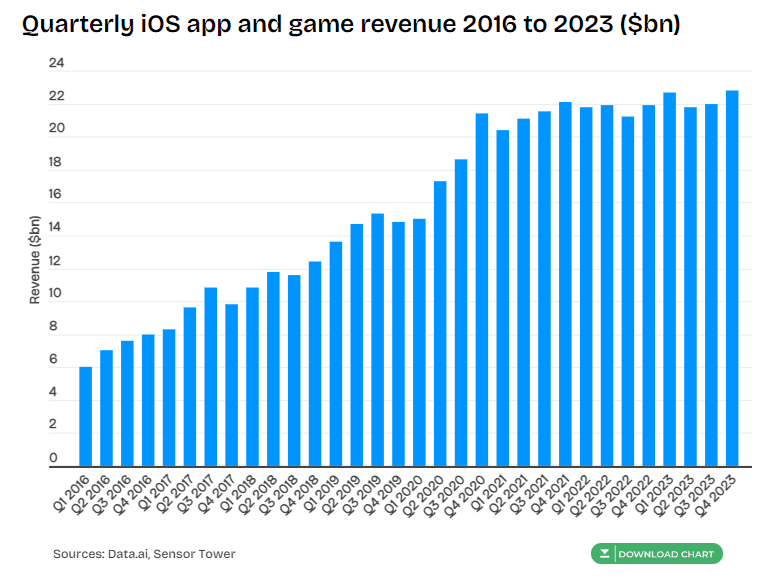
The Hard Stats: Why Early Validation Matters
🚨 83% of mobile games fail within their first year
(Data.ai, “State of Mobile Gaming 2023”)
🚨 Less than 5% of mobile games reach 10,000 downloads
(Sensor Tower, Mobile Market Forecast)
🚨 Only 1–2% of prototypes make it to global launch
(Deconstructor of Fun, “How Top Studios Validate Games”)
These numbers paint a clear picture:
Most games fail, not necessarily because they are bad but because they are not validated in real market conditions early enough.
Why most early game tests fail (And even lie)?
Most early tests fail because they don't test their audience in the market in which they intend to launch, or if a global strategy, they avoid testing in the US because
“They don’t want to burn a golden cohort.”
“They need to test cheaply first.”
“The US is too expensive to test.”
The truth is that most gaming studios look to prove viability and so may overlook valuable testing statistics or even the testing process itself
But don't make this mistake.
The first question isn’t about scale.
It’s about signal quality.
So make sure you test before launch.
Which brings us to the very first and most important: test your game must pass.
The Only marketability test that matters for mobile games

Top publishers (Supercell, King, FunPlus, Playrix, Voodoo/Homa) use a simple but rigorous early test to determine if a prototype is worth additional investment.
Hubapps uses this exact same approach when supporting studios globally, backed by 13+ years of UA experience.
Step 1. Actually ask players to play it
We know this sounds crazy but before you even start with ads and marketing, have you asked players to play?
Yup, that's a number 1. No players, no game. And then, definitely no need to test further.
But if you've got this far and those who've played it have given you the thumbs up, and you now want to test further, please proceed to step 2. 👇
Step 2. Test Only in the US (or Your Actual Revenue Market)
Test, test, test… and do it in YOUR market, OR the US!
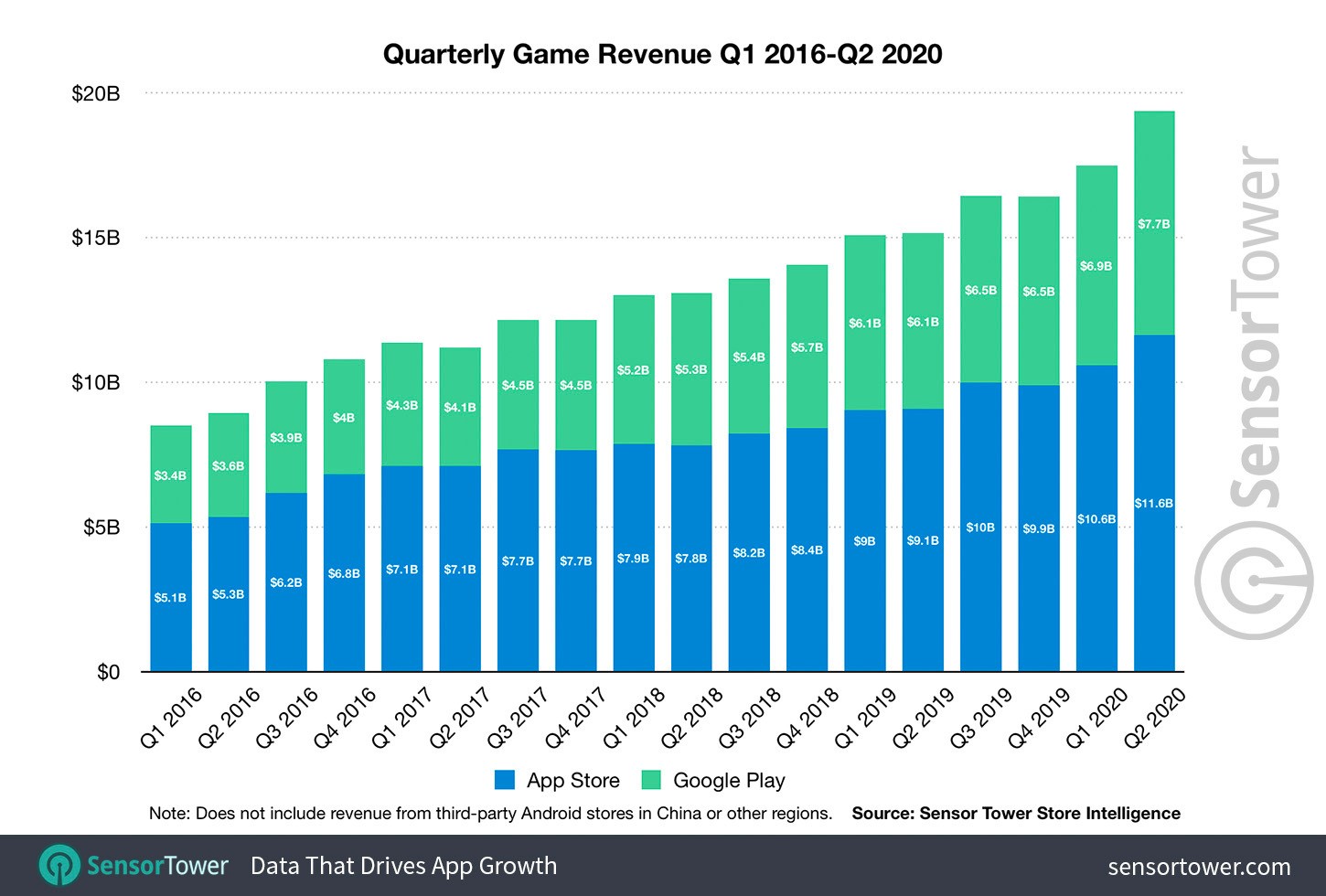
Why the US?
Because no other GEO predicts global revenue potential as reliably.
The US is the #1 mobile gaming revenue market in the world
(Data.ai, “State of Mobile Gaming 2024”)User behavior differs massively vs. cheap GEOs
(AppsFlyer, LTV Benchmarks)Creative rankings in non-US GEOs do not transfer to the US
(Facebook Ads Library + UA Manager studies)
Studios often say:
“We don’t want to burn golden cohorts early.”
But this fear is outdated.
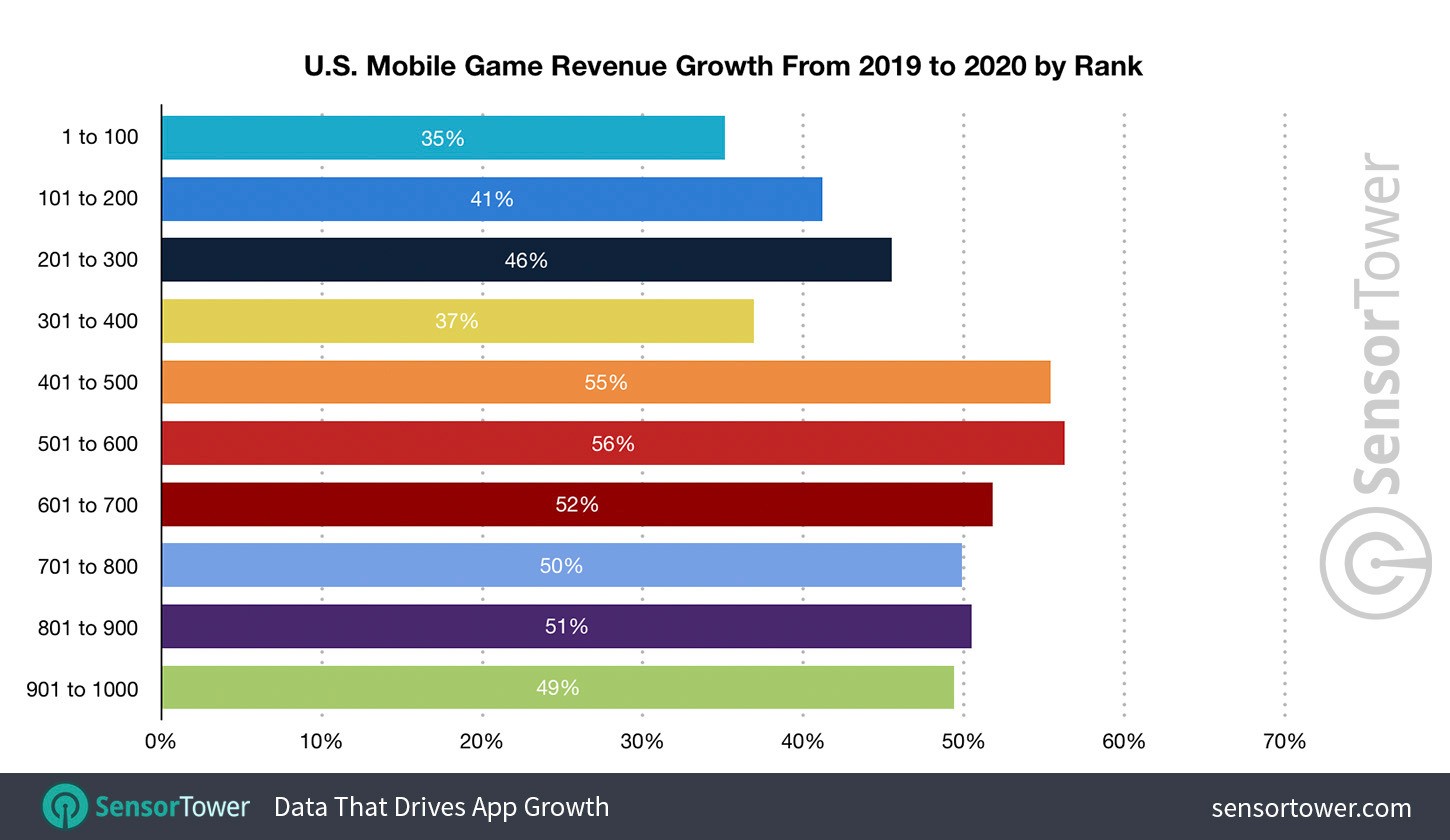
Users don’t remember your early tests. Ad algorithms do.
A small test of 2,000–5,000 impressions is invisible at scale.
A misleading CPI from a cheap GEO can cost you months — and millions — later.
Rule 3. Run a Short, Tightly Budgeted Test (5–7 Days)

You don’t need months of data. You need enough volume for CPI to stabilize and for early behavior signals to become real.
Typical production cost for a proper test: $1,000–$5,000
(Depending on genre and expected CPI range.)
Run the campaign long enough to see:
CPI plateau
Day 1 retention stabilize
Early core loop engagement patterns emerge
That's it. Nothing more.
Rule 4. Pick ONE Goal (Not Fifteen)
You’d be surprised how many studios try to do this:
“Validate CPI, retention, monetization, LTV, FTUE, progression, store performance, ad revenue, and virality… all in one test.”
This is how teams get paralyzed.
Your only early goal should be:
“Prove the game is worth continuing.”
This means:
Measure what matters:
CPI in your target market
Day-1 and Day-3 retention
Core loop engagement (playtime, session count, progression)
And ignore what does not matter yet:
Monetization polish
Perfect ROAS
Advanced LTV modeling
Multiple GEOs
10,000 users
Remember, at this stage, you’re STILL not scaling, you’re validating.
What to do if the test fails
A failing test doesn't necessarily mean it's the end, but it is an indication that you need to update and retry.
If CPI is too high:
Fix creative first
Reposition theme
Rebuild the first 5 seconds of gameplay (your true USP)
If retention is weak:
Rebuild FTUE
Simplify early progression
Strengthen early goals/rewards
If core loop engagement is weak:
Reassess your loop depth
Remove friction
Strengthen feedback systems
The worst thing you can do is push forward hoping these signals “fix themselves later.” They won’t.
Like most good games, you as a studio will need to kill, pivot, or advance your game. So take the test as a challenge and use it to get better or die.
What to do if the test succeeds?
Now you can move toward:
Multi-GEO validation
FTUE refinement
Early monetization
Meta depth
Content pipeline
Soft launch structure
Predictive LTV modeling
This is where we often step in as the embedded growth team — analyzing signals, designing soft launch frameworks, and preparing the game for global scale .
Why we recommend this framework for testing games
Because we’ve seen it work — across genres, budgets, and studios.
Our team has run UA and soft launches for over a decade, managing €20MM+ in annual ad spend and scaling games from prototype to global success.
What separates hits from failures usually isn’t talent or funding. It’s early, honest signal validation in the market that actually matters.
TL;DR: The Hubapps “Is This Game Worth It?” Test
Test only in the US (or real target market).
Run 5–7 days with a small but sufficient budget.
Pick one goal: prove the game deserves to continue.
Focus on CPI, early retention, core loop engagement.
Ignore monetization (for now).
Use these signals to decide: kill, pivot, or advance.
This simple test can save months of production time and tens of thousands of dollars — and massively increase your chance of launching a successful game.

Mobile gaming UA specialist since 2011. A female pioneer in the industry, Maria has scaled games across every major platform and genre, from indie puzzle games to massive strategy titles. Known for straight talk and results that actually matter.
Share
Related Articles


